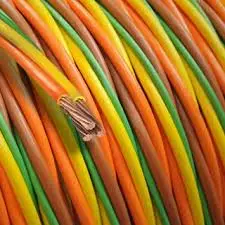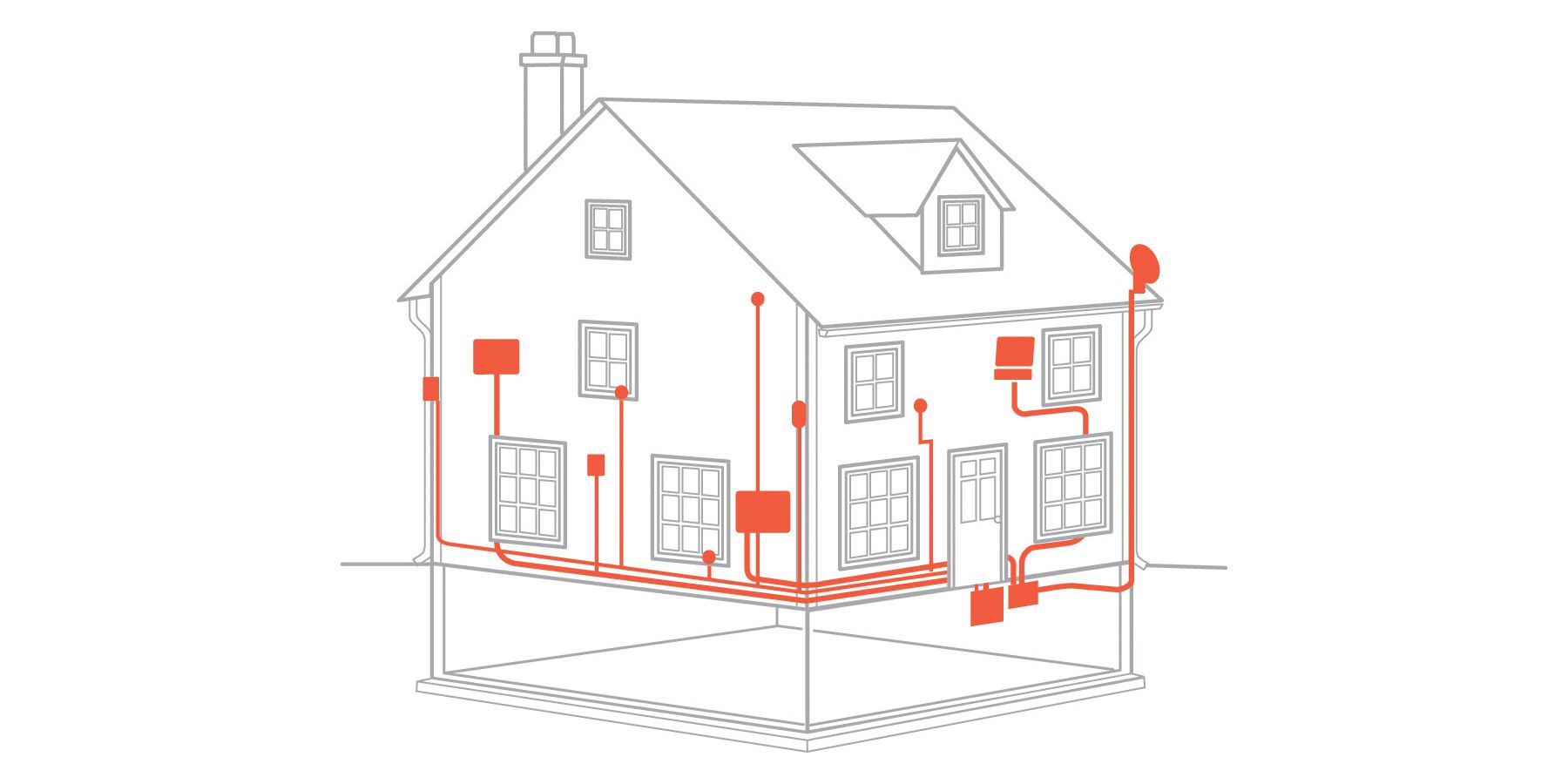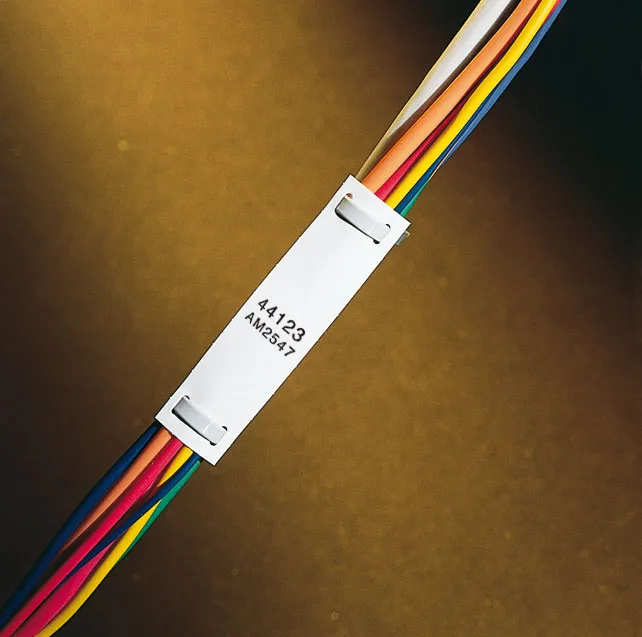
Wire insulation colors are a language: they tell you which conductor should be live, which should be neutral and which is there to protect you. The problem is that the language changes as you cross borders — and it has changed over time within the same country. This guide compares the color systems you are most likely to meet in the United States, the United Kingdom, the European Union and Australia, including the legacy colors that still live inside older walls.
We've written before about why wire color coding is used; this article focuses on what the colors actually are, region by region.
Safety first: never rely on color alone. Test every conductor with a suitable voltage tester before working on it, and leave work on fixed wiring to a licensed electrician. Wiring rules differ by country and change over time — always verify against the regulations that apply where the installation is located.
Harmonized European and UK colors (current)
Most of Europe, including the UK since the mid-2000s, uses harmonized conductor colors for fixed wiring:
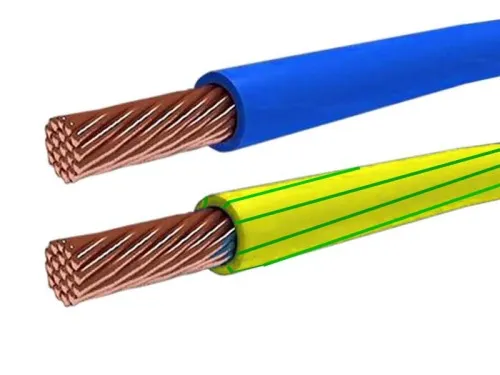
- Live (line): brown
- Neutral: blue
- Protective earth: green-and-yellow stripes
In three-phase installations, the phase conductors are commonly brown, black and grey. The green-and-yellow earth marking is one of the most consistent rules worldwide: that combination is reserved for the protective conductor and must not be used for anything else.
Older UK colors you may still find
Installations wired before the harmonized colors were adopted in the UK typically use:
- Live: red
- Neutral: black
- Earth: green-and-yellow (or plain green in very old wiring)
Millions of homes still contain this older system, and it is common to find both systems in one property where circuits were extended. Where old and new colors meet, electricians label the conductors to avoid dangerous confusion. UK safety organisations such as Electrical Safety First publish consumer guidance on identifying older wiring and when it needs professional inspection.
United States and Canada
North American practice differs significantly from Europe:
- Hot (live): black is the standard first hot conductor; red is common for a second hot leg, for example in 240 V circuits or multi-wire branch circuits
- Neutral: white or gray
- Equipment ground: green, green with a yellow stripe, or bare copper
In commercial three-phase systems you will often see conventions such as black, red and blue for lower-voltage systems, and brown, orange and yellow for higher-voltage systems. Treat these as common conventions rather than universal law — building specifications can vary, which is another reason testing beats trusting color.
Australia and New Zealand
Newer installations follow the same harmonized scheme as Europe — brown live, blue neutral, green-and-yellow earth. Older installations used red for live and black for neutral, so the situation mirrors the UK: two generations of colors coexisting in the housing stock.
Comparison table
| Region | Live / hot | Neutral | Earth / ground |
|---|---|---|---|
| UK & EU (current) | Brown | Blue | Green-yellow |
| UK (legacy) | Red | Black | Green-yellow or green |
| US & Canada | Black (red for 2nd leg) | White or gray | Green, green-yellow or bare |
| Australia / NZ (current) | Brown | Blue | Green-yellow |
| Australia / NZ (legacy) | Red | Black | Green-yellow or green |
Why the differences matter in practice
The most dangerous moments happen at the boundaries between systems:
- Imported equipment. An appliance cord made for one market may use colors an installer doesn't expect. Modern appliance flex sold internationally generally uses brown/blue/green-yellow, which helps — but old equipment does not.
- Renovations. A junction box where 1990s red/black wiring meets modern brown/blue wiring is a classic source of crossed neutrals. This is one reason connecting wires correctly matters as much as identifying them.
- US white ≠ always neutral. In some cable configurations a white conductor is re-tasked as a hot leg and should be re-marked with tape — but re-marking is sometimes forgotten.
The rule that never changes
Whatever country you are in: prove dead before you touch. Isolate the circuit, lock off or secure the isolation point, and confirm with a voltage tester that you have verified against a known live source. Color tells you what a conductor is supposed to be; only a test tells you what it actually is.